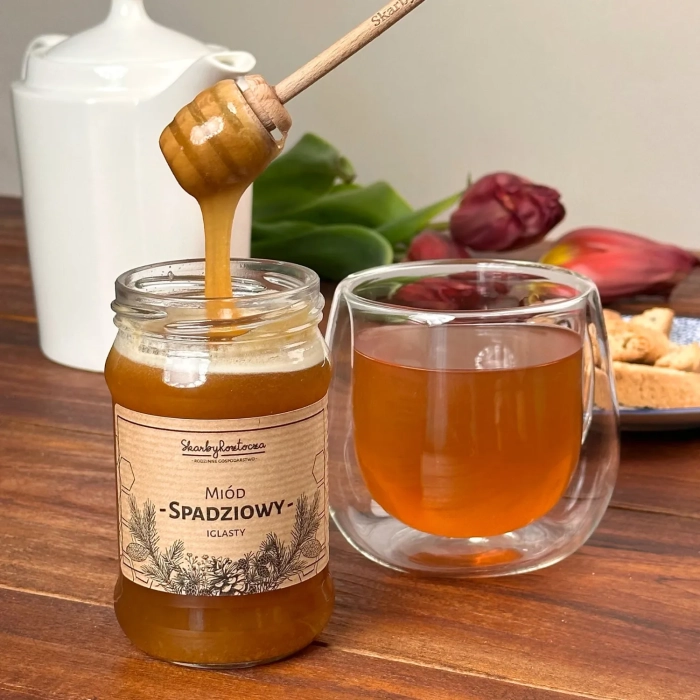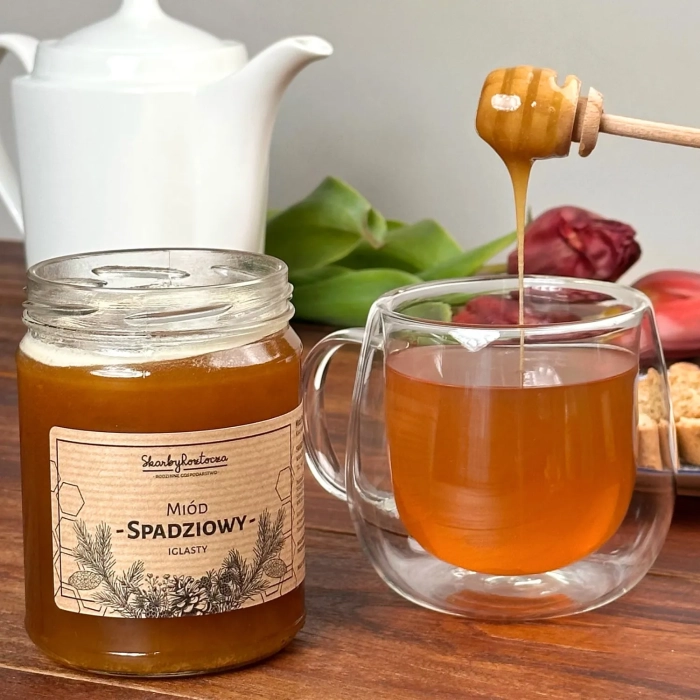

Infection with Helicobacter pylori bacteria can lead to serious stomach problems, such as ulcers or inflammation of the mucous membrane. Although treatment usually requires antibiotics, many people look for natural methods to support therapy. Honey and propolis, thanks to their unique antibacterial and anti-inflammatory properties, can play a significant role in alleviating symptoms and supporting the healing process.
If you want to find out more about how to effectively use honey and propolis in the fight against Helicobacter pylori, we invite you to read our full blog post!

Natural support for Helicobacter pylori - which honey to choose?
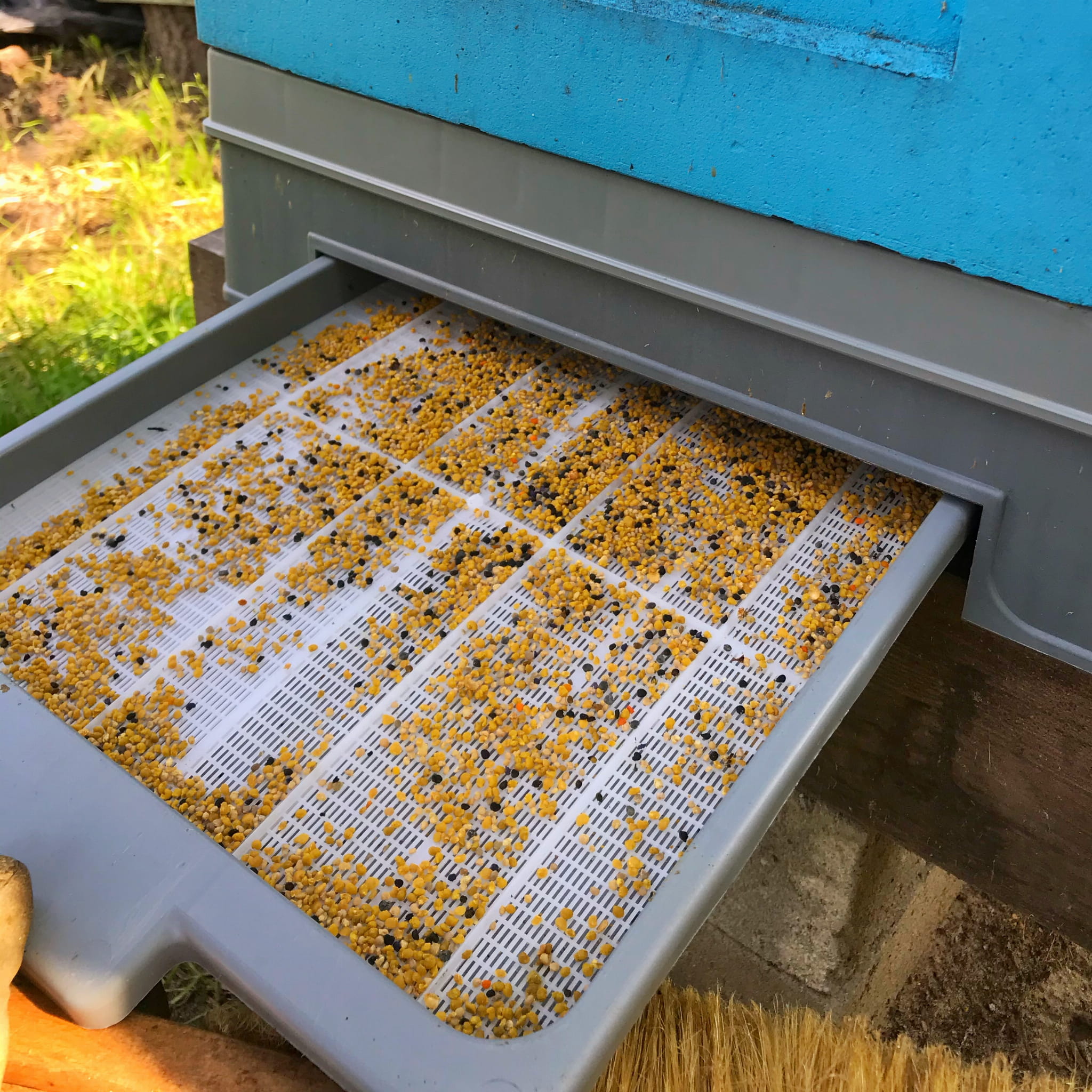
Secrets of bee pollen colours - what determines its hue?
Bee pollen is not only a source of valuable nutrients, but also a real palette of colours that can be incredibly diverse.
So let's discover the secrets of pollen colours and what determines its shade. Welcome!
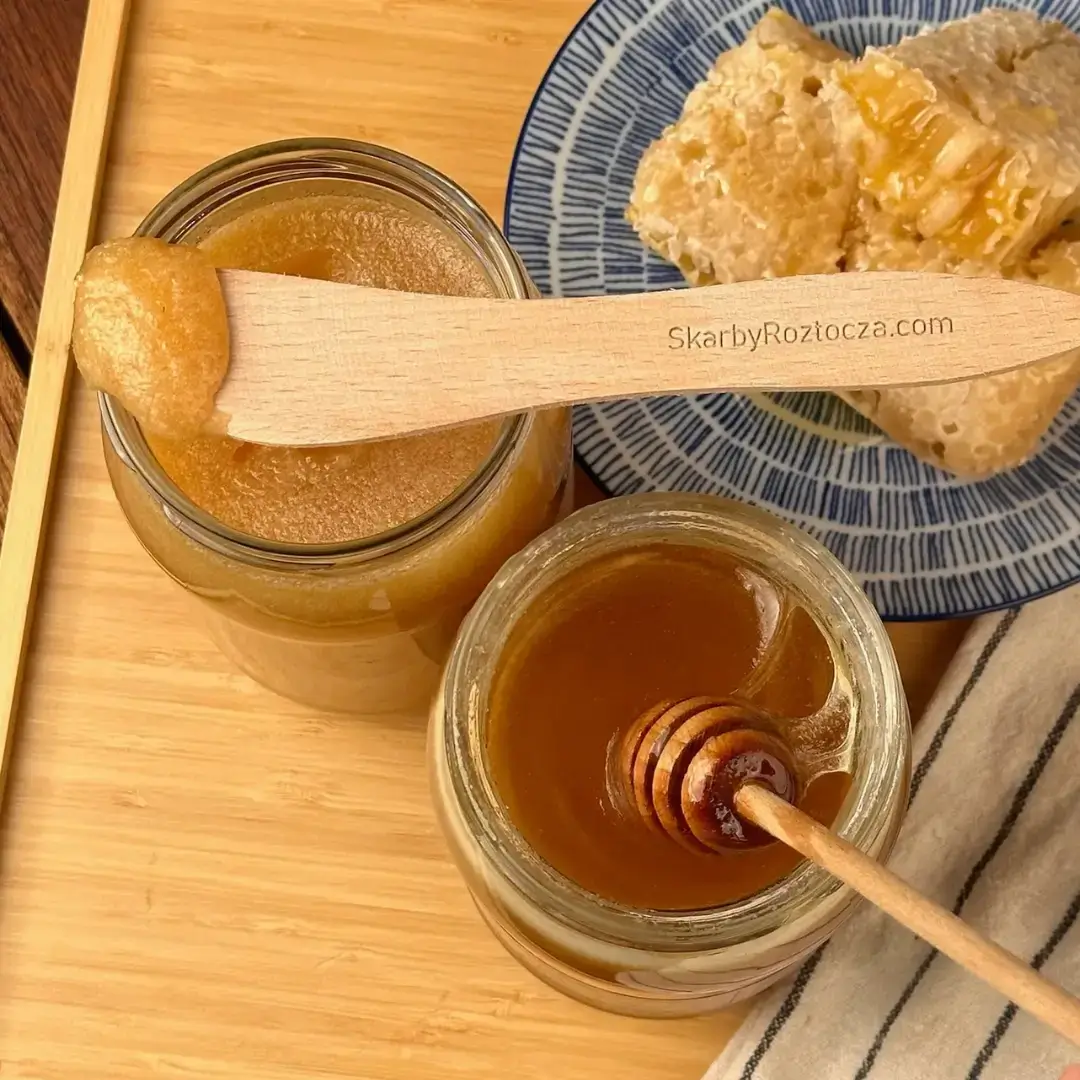
To what temperature can honey be heated without losing its properties?
Fresh honey right after harvesting is usually liquid and easy to pour. However, over time, it naturally begins to crystallise, changing its consistency to a more solid state. This process is completely natural and proves the authenticity of the honey, but at the same time, it makes storage and portioning difficult, especially when the honey is stored in large drums. To facilitate further processing and ensure customers have access to liquid honey all year round, beekeepers use decrystallisation – gentle heating of honey in special devices that allow for the preservation of its nutritional values and health properties.
Want to find out to what temperature honey can be heated so that it doesn't lose its properties - and why it's done? We invite you to this short blog post!
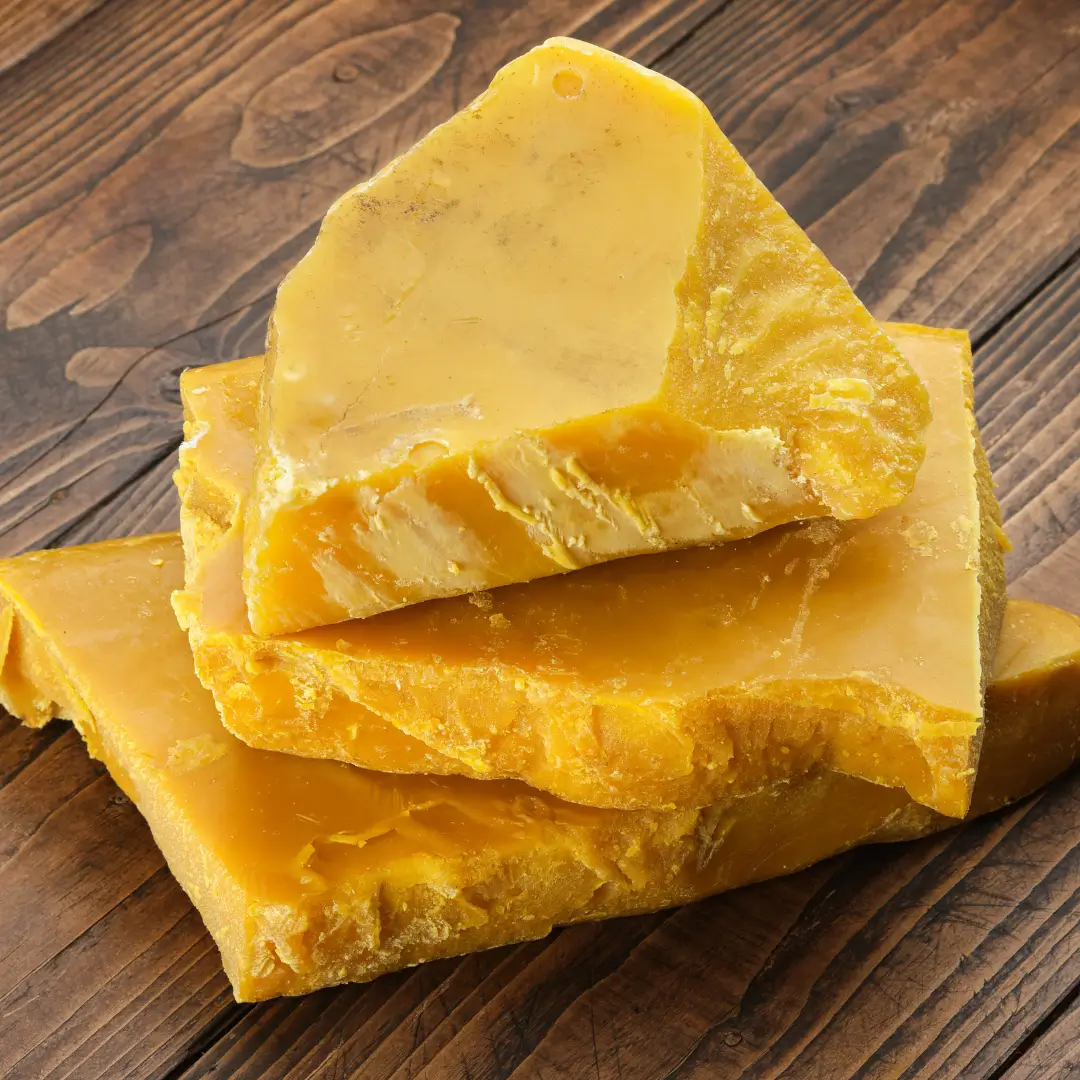
Beeswax for polishing wood – a homemade recipe
Wood is one of the most beautiful and noble materials in our homes. To maintain its charm for years, it is worth taking proper care of it – ideally using natural products. One of the oldest and most effective ways of wood care is beeswax.
Want to find out more? We invite you to read this short piece!
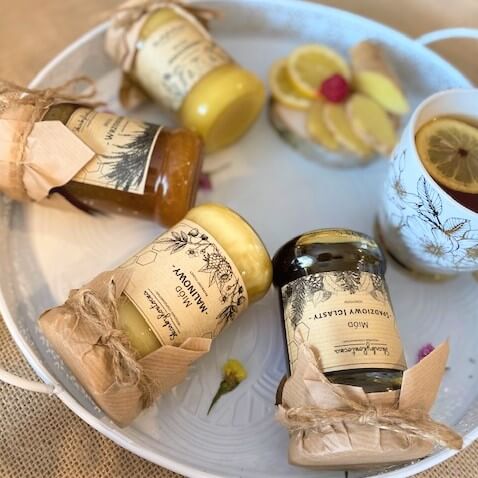
Winter tea with honey
Winter. Cold, wet, depressing and prone to colds.
What to do?
Make tea! But not just any ordinary tea, oh no! Winter tea. With orange, honey, ginger, cloves, and raspberries. It will replenish your vitamin C supply, warm you up and improve your mood.
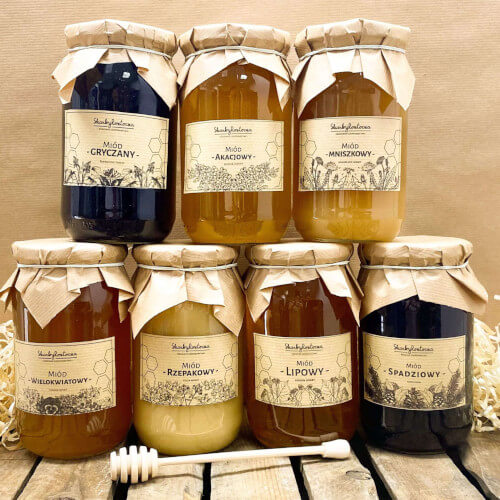
Our honeys
Our products are not the result of mass production - we are proud of this.
Read about what sets us and our products apart, as well as what constantly motivates us to act!
Welcome :)
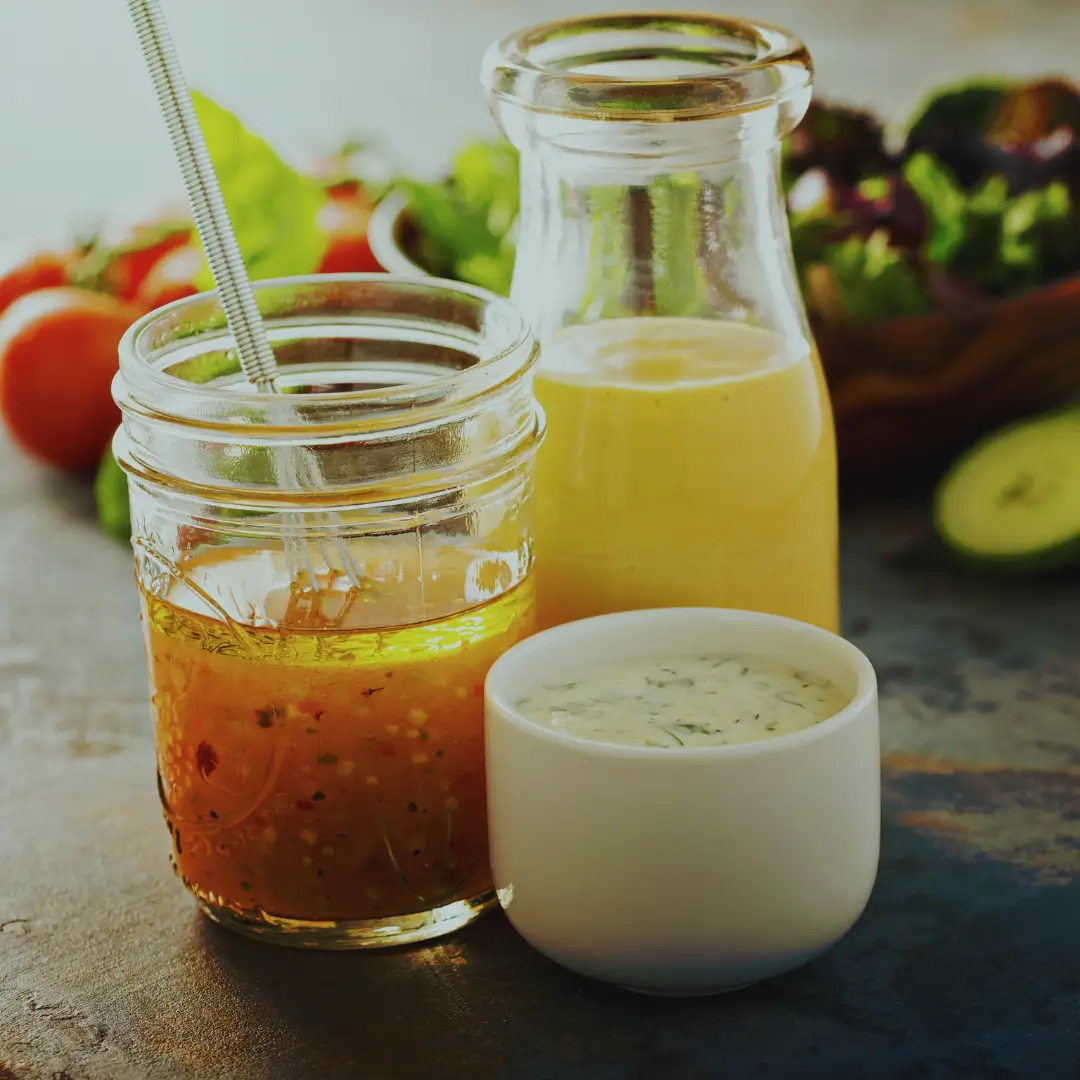
Three simple salad dressings – with honey
Warm days are the perfect time for light, colourful salads – full of fresh vegetables, herbs and aromatic dressings. When young leaves, radishes and fragrant herbs appear, it is worth reaching for simple recipes that allow you to enjoy seasonal flavours. Salads are a quick, healthy meal and a great field for culinary experiments. The secret of a successful salad lies not only in the ingredients, but above all in a well-composed dressing that highlights the flavour of vegetables and adds character to the dish.
In this post, you will find three proven recipes for homemade salad dressings with natural honey – a simple ingredient that adds sweetness and nutritional value. Choose a delicate, spicy or bold dressing and let your salad flourish along with spring. Enjoy the read!
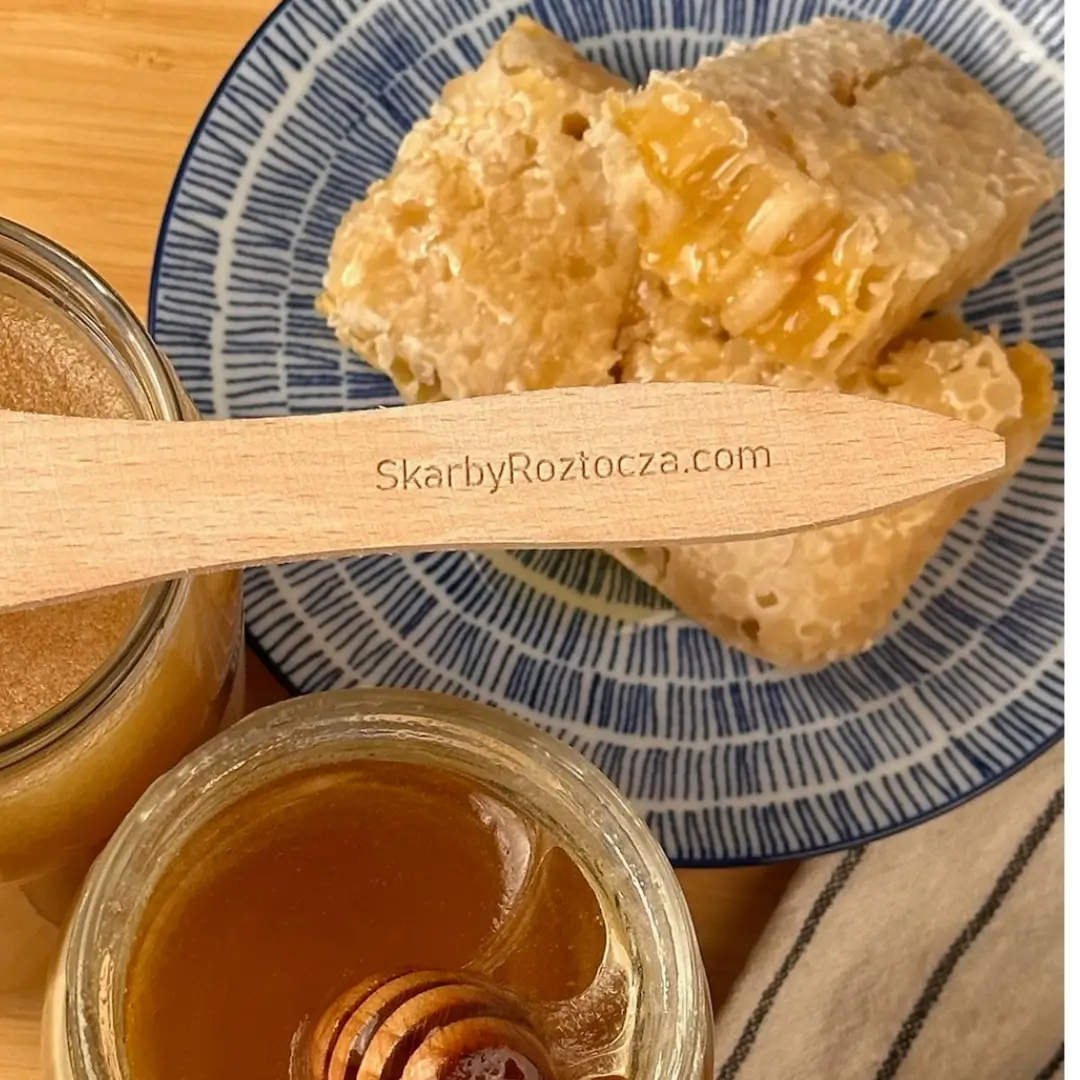
Honeycomb and oral health
In an era of returning to natural health care methods, honeycomb is gaining increasing popularity. This unique bee product, available in its pure form straight from the hive, is not only an exceptional taste experience but also natural support for oral health.
Why is it worth chewing honeycomb? What are the benefits? You will find the answers to these questions in this short post!
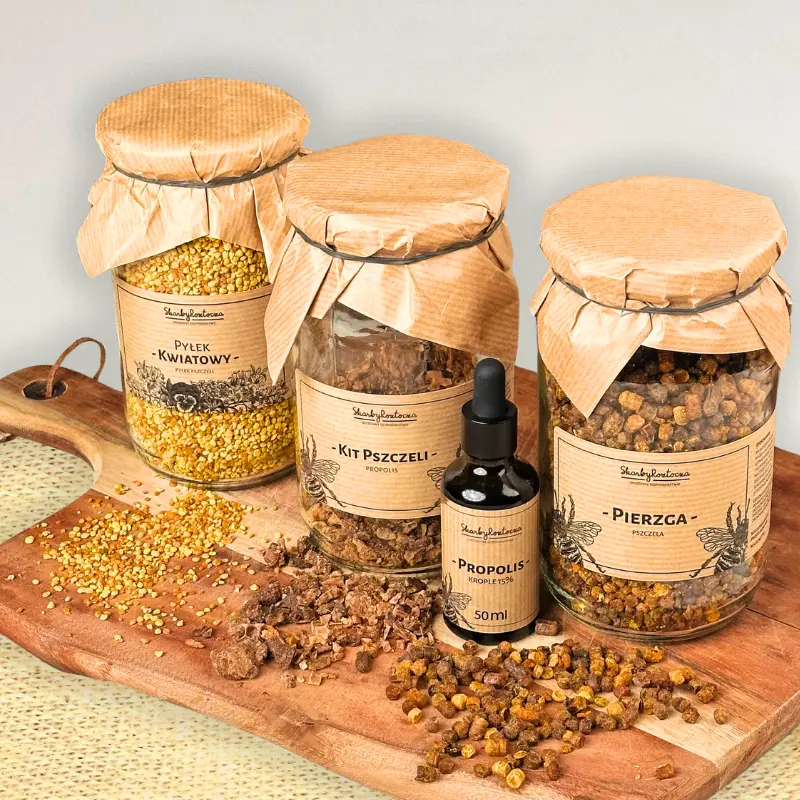
Honey and bee products as a recipe for fighting cancer
Honey and bee products as a recipe for fighting cancer
We all know well how many positive applications honey has. But can they support the fight against cancerous diseases? In this article, we will show scientific evidence that this is indeed the case.
Enjoy!
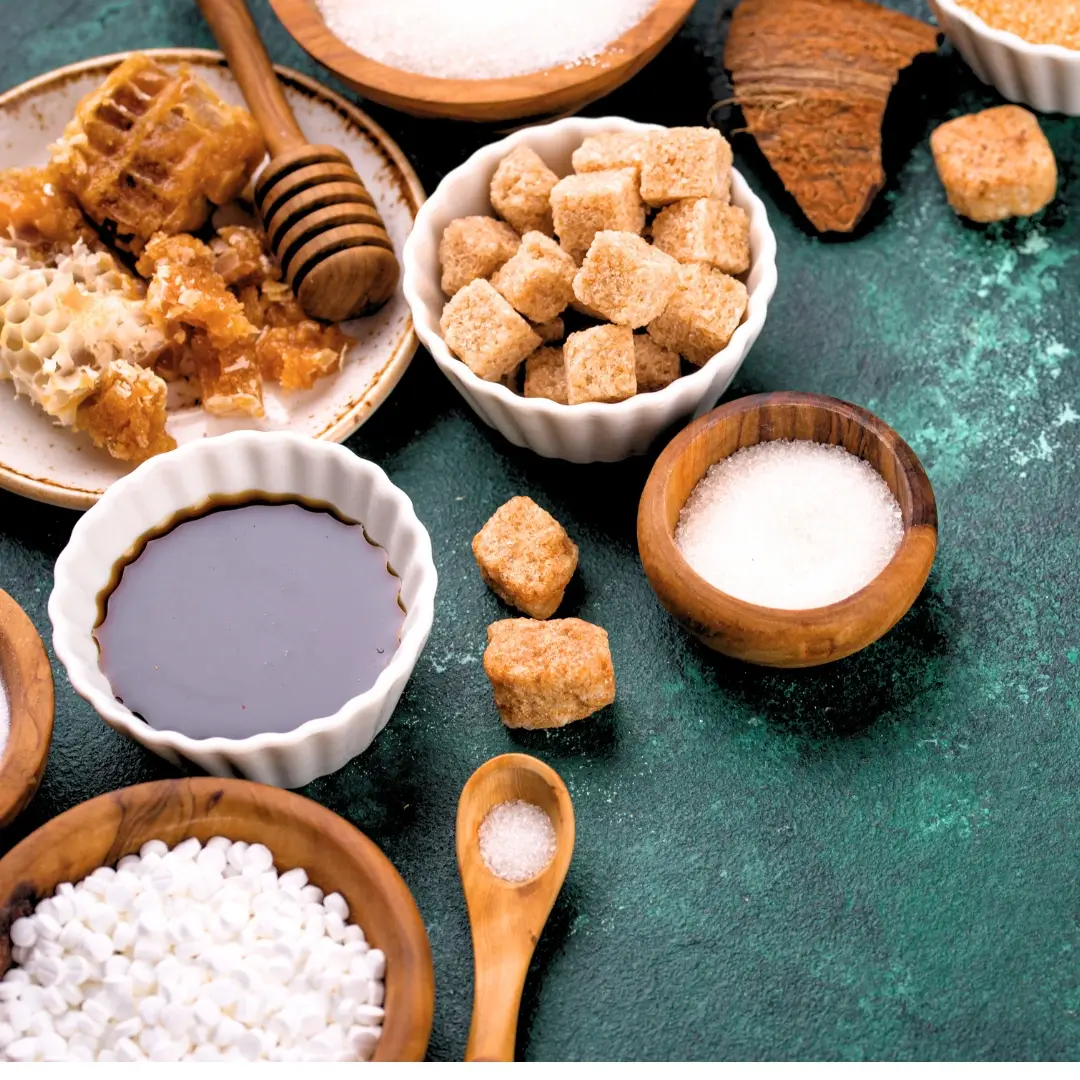
Naturalne słodziki – zdrowe zamienniki cukru
White sugar is increasingly disappearing from our kitchens – and quite rightly so. Excess sugar in the diet promotes obesity, insulin resistance and tooth decay. It is no wonder that more and more people are reaching for natural sweeteners, which not only provide sweetness but can also support health. The most popular sugar substitutes include stevia, erythritol, xylitol and honey.
Would you like to learn more about natural sugar substitutes and choose the best one for you? We invite you to read this short post, in which we compare honey, stevia, erythritol and xylitol.